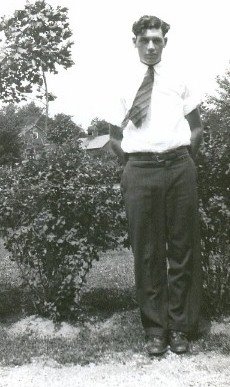
First, you will notice, I left off midstream, in a discussion about the children of Frances and Nicholas Thacker. Mary Francis, their daughter, was the chief culprit. I suddenly realized that I didn’t know if I had her death record, or possibly the death record of her sister-in-law. So, while pausing to decide how best to resolve this little quandary, I continued my research of the Thacker clan – off line.
I still haven’t solved the Mary/Mary riddle yet, but I missed writing about the Thacker clan, so I’ve decided to drop into this blog, and update some of my discoveries, and my thoughts.
I have been struggling to decide whether to make this into a private blog, so that I can use it to reflect my thoughts on my search. When the subject of mixed race comes up, and you have the audacity to write about it, there are going to be some people who are unhappy about what you write. Some of those people you don’t want to offend. Some of those people you don’t want to make unhappy, and let’s face it, if you are a people pleaser like me, you don’t like ANY people not liking you because of something you have written.
In the past, I tried to pull my punches, for all of those people mentioned above. It made me sound like some kind of wishy-washy nut, which for all I know, I may very well be – a wishy-washy nut. It also made me sound like I was obsessed with the whole racial aspects of this branch of the family. Which I am – guilty, guilty, guilty.
There are a number of reasons why, the race of this family fascinates me.
1. First, it came as a complete surprise that I do not descend solely from good ole white European stock. What if you suddenly found out that you were, I don’t know, adopted. Wouldn’t you suddenly be obsessed with finding out more? That is what this revelation has been like for me.
2. For the Thacker’s and their clan, their mixed race identity played a significant role in their lives – it shaped them in ways that I cannot fathom - who they were, who they became and how they saw themselves. I am an unforeseen consequence of all these machinations. How could this not matter to me?
3. Separate from my own personal stake, I think they were a cultural oddity that deserves to be studied. If race shaped the lives of the 19th century man, what of a group of individuals who traipsed back and forth across the color line? Sometimes listed as white, sometimes listed as free colored – with the letters “w,” “b” and “m” changing beside their name. Did they ever feel like they belonged?
4. Finally, perhaps the most potent reason of all, this is a mystery. Their racial background is an unresolved question. Tantalizing tales exist to explain how, after several centuries of prohibited miscegenation, these people managed to exist.
I am hopelessly attracted to this puzzle of a family in much the same way an errant piece of steel is attracted to a large magnet. Having come too close, I am irresistibly drawn to its core. '
For now, I will continue to keep this public. My hope is that I, along with other family researchers, can put together the pieces of this family puzzle, so that we may better understand how each of us came to be.
Saturday, June 20, 2009
Sunday, January 4, 2009
The Children of Francis and Nimrod Thacker: Algerine, Ambrous, & Hannah
At the far end of the cemetery, near a large evergreen tree stands a monument. It is four-sided, about six feet tall, with an urn shaped top. Three sides are inscribed and bare some of the names of Nimrod Thacker’s family.
Nimrod’s information is on one side (though the engraver wrote Nimroon).

Inscribed here are the names of Nimrod’s sons, Algerine and Ambrous. Algerine is listed as 16 and Ambrous as 18. Based on the 1850, 1860 and 1870 census records, Algerine would have been born in 1848 and died in 1864. Ambrous would have been born in 1852 and died after June 1, 1870.
Ohio started keeping death records at the local level in 1867. This was not strictly enforced. Death records are listed for both Jackson County and Vinton County on their separate rootsweb websites. Technically, Ambrous’s death should have been listed. It was not.
Here is the third inscribed side of the monument. As you can see, two women are listed. Mary, age 33 and Hannah N., age 16. Mary is creating a few problems for me, so we’re going to ignore her for now. Hannah, however, is first listed as 3 months old in the 1860 census. The census was suppose to reflect her age as of June 1, 1860, making her birth date most probably in February. If her age is accurate, she died in 1876.
Again checking the death lists on both the Jackson County and Vinton County websites, Hannah is not listed. A Nancy A. Thacker died March 20, 1875 and is listed as 14 years old. Hannah Nancy would have been 15 at that time. It’s possible Nancy Ann could have been Hannah Nancy but that is unclear.
These three children – Algerine, Ambrous, and Hannah N. – are the only known children of Nimrod and Frances that did not reach adulthood. Next time we will talk about a few of the remaining nine children that I have identified.
Sources:
1. 1850 US Federal Census, Ohio, Vinton County, Wilkesville Twp., Head of Household, Nicholas Thacker, Visit 1024, (http//:www.ancestry.com) census image online, January 4, 2009.
2. 1860 US Federal Census, Ohio, Vinton County, Wilkesville Twp., Head of Household, Nicholas Thacker, Visit 728, (http//:www.ancestry.com) census image online, January 4, 2009.
3. 1870 US Federal Census, Ohio, Vinton County, Wilkesville Twp., Head of Household, Nicholas Thacker, Visit 172, (http//:www.ancestry.com) census image online, January 4, 2009.
4. Vinton County Ohio Genealogy, “Birth, Death, and Marriage Records Online Index,” abstracts online death records 1867 -1952, (http://www.rootsweb.ancestry.com/~ohvinton/bmdrecs.htm: accessed January 4, 2009) entry for Nancy A. Thacker.
5. Jackson County Ohio Genealogy, “Birth, Death, and Marriage Records Online Index,” abstracts online death records 1867 -1908, http://www.rootsweb.ancestry.com/~ohjackso/bmdrecs.htm: accessed January 4, 2009.)
6. Photographs of Nimrod Thacker monument, Curry Cemetery, Wilkesville, Ohio, May 21, 2008. Privately held by Teresa L. Snyder, Fremont, Ohio.
Ohio started keeping death records at the local level in 1867. This was not strictly enforced. Death records are listed for both Jackson County and Vinton County on their separate rootsweb websites. Technically, Ambrous’s death should have been listed. It was not.
Here is the third inscribed side of the monument. As you can see, two women are listed. Mary, age 33 and Hannah N., age 16. Mary is creating a few problems for me, so we’re going to ignore her for now. Hannah, however, is first listed as 3 months old in the 1860 census. The census was suppose to reflect her age as of June 1, 1860, making her birth date most probably in February. If her age is accurate, she died in 1876.
Again checking the death lists on both the Jackson County and Vinton County websites, Hannah is not listed. A Nancy A. Thacker died March 20, 1875 and is listed as 14 years old. Hannah Nancy would have been 15 at that time. It’s possible Nancy Ann could have been Hannah Nancy but that is unclear.
These three children – Algerine, Ambrous, and Hannah N. – are the only known children of Nimrod and Frances that did not reach adulthood. Next time we will talk about a few of the remaining nine children that I have identified.
Sources:
1. 1850 US Federal Census, Ohio, Vinton County, Wilkesville Twp., Head of Household, Nicholas Thacker, Visit 1024, (http//:www.ancestry.com) census image online, January 4, 2009.
2. 1860 US Federal Census, Ohio, Vinton County, Wilkesville Twp., Head of Household, Nicholas Thacker, Visit 728, (http//:www.ancestry.com) census image online, January 4, 2009.
3. 1870 US Federal Census, Ohio, Vinton County, Wilkesville Twp., Head of Household, Nicholas Thacker, Visit 172, (http//:www.ancestry.com) census image online, January 4, 2009.
4. Vinton County Ohio Genealogy, “Birth, Death, and Marriage Records Online Index,” abstracts online death records 1867 -1952, (http://www.rootsweb.ancestry.com/~ohvinton/bmdrecs.htm: accessed January 4, 2009) entry for Nancy A. Thacker.
5. Jackson County Ohio Genealogy, “Birth, Death, and Marriage Records Online Index,” abstracts online death records 1867 -1908, http://www.rootsweb.ancestry.com/~ohjackso/bmdrecs.htm: accessed January 4, 2009.)
6. Photographs of Nimrod Thacker monument, Curry Cemetery, Wilkesville, Ohio, May 21, 2008. Privately held by Teresa L. Snyder, Fremont, Ohio.
Wednesday, December 10, 2008
The Children of Nimrod Nicholas and Frances J. Thacker
Finally, finally, thanks to help from some fellow Thacker researchers, I feel confident that I have identified 12 of Nimrod and Francis Thacker’s children.
Okay, so you’re not impressed by this bit of news, but when you have a ton of Thackers living in the Wilkesville area of Vinton County and the Ray area of Jackson County with a penchant for naming their children a handful of names (Sarah, Catherine, Mary, Martha, David, Hiram), it’s not all that easy to figure out who belongs to whom.
Francis Thacker was enumerated in the 1900 census, and at that time, she said that she had 13 children and only 8 were still living. I’m still missing the 13th child, and unless someone comes up with a family bible, I don’t think I’m going to be able to find this child. I’ve been to Curry Cemetery where four of the children are buried, and there appears to be no marker for this last child.
The known children are:
!. Clarinda Thacker born March 1841
2. Martha Ann Thacker born Sept 1844
3. David Thacker August 3, 1846
4. Algerine Thacker approx. 1848
5. Sarah J. Thacker October 23, 1849
6. Ambrose C. Thacker approx. 1851
7. Nicholas Thacker March 24, 1852
8. Mary Francis Thacker May 19, 1854
9. Catherine Thacker March 03, 1855
10. Hiram N. Thacker April 14, 1858
11. Hannah N. Thacker approx. Feb or March 1860
12 Louise E. Thacker August 14, 1861
Over the next few posts, I’ll be discussing each of these children along with the source of my evidence, which will allow you to evaluate the information for yourself.
At the time of Nimrod N. Thacker’s death in July of 1893, letters of appointment indicate besides his widow, Francis J. Thacker, the following individuals were said to be his only heirs at law:
Clarinda Markham – Daughter
Martha A. Thacker – Daughter
David Thacker – Son
Sarah J. Waldren – Daughter
Catherine Thacker – Daughter
Nicholas Thacker – Son
Hiram Thacker – Son
Louisa Garrett – Daughter
Viola Thacker – Granddaughter
Claudy Thacker – Grandson
A big tip of the hat to Judy for providing me with the information on the Letters of Appointment – this confirmed the identities of a couple of the children and took away any lingering doubts. Thanks Judy!
Okay, so you’re not impressed by this bit of news, but when you have a ton of Thackers living in the Wilkesville area of Vinton County and the Ray area of Jackson County with a penchant for naming their children a handful of names (Sarah, Catherine, Mary, Martha, David, Hiram), it’s not all that easy to figure out who belongs to whom.
Francis Thacker was enumerated in the 1900 census, and at that time, she said that she had 13 children and only 8 were still living. I’m still missing the 13th child, and unless someone comes up with a family bible, I don’t think I’m going to be able to find this child. I’ve been to Curry Cemetery where four of the children are buried, and there appears to be no marker for this last child.
The known children are:
!. Clarinda Thacker born March 1841
2. Martha Ann Thacker born Sept 1844
3. David Thacker August 3, 1846
4. Algerine Thacker approx. 1848
5. Sarah J. Thacker October 23, 1849
6. Ambrose C. Thacker approx. 1851
7. Nicholas Thacker March 24, 1852
8. Mary Francis Thacker May 19, 1854
9. Catherine Thacker March 03, 1855
10. Hiram N. Thacker April 14, 1858
11. Hannah N. Thacker approx. Feb or March 1860
12 Louise E. Thacker August 14, 1861
Over the next few posts, I’ll be discussing each of these children along with the source of my evidence, which will allow you to evaluate the information for yourself.
At the time of Nimrod N. Thacker’s death in July of 1893, letters of appointment indicate besides his widow, Francis J. Thacker, the following individuals were said to be his only heirs at law:
Clarinda Markham – Daughter
Martha A. Thacker – Daughter
David Thacker – Son
Sarah J. Waldren – Daughter
Catherine Thacker – Daughter
Nicholas Thacker – Son
Hiram Thacker – Son
Louisa Garrett – Daughter
Viola Thacker – Granddaughter
Claudy Thacker – Grandson
A big tip of the hat to Judy for providing me with the information on the Letters of Appointment – this confirmed the identities of a couple of the children and took away any lingering doubts. Thanks Judy!
Monday, November 17, 2008
A Little Hand-Wringing Angst
You will notice, of course, that I have not written a post on this blog for quite some time. It was intentional, the not writing, that is. There were individuals in my family who very gently told me that they were uncomfortable with my poking around in our racial stew. Live relatives or dead ancestors, well, the choice is obvious. Live relatives win hands down.
This doesn’t mean, however, that I have stopped the search. I haven’t. I’ve just self-muzzled myself with what I have been finding. I’ve missed the writing. It’s my own way of sorting things out, hoping for a brief moment of self-enlightenment here and there.
I had a bit of hand-wringing the other day when I accidentally discovered that my blog was listed under the category “African American genealogy.” It made me uncomfortable on several levels, not the least of which was that I knew there might be certain family members who would not be happy with that characterization.
The second issue was that I felt like an imposter. I don’t know that my ancestors had African American blood flowing through their veins, and the labeling of my blog as an African American genealogy blog made me feel as if I had been let into an exclusive club under false pretenses.
On the other hand, the classic definition of mulatto is a person of mixed black and white ancestry. So the fact that my fourth great grandparents, Nimrod and Frances Thacker, had an “m” beside their names in the 1850, 1860, 1870 and 1880 census made my protesting that the family may have been NA as opposed to AA seem like I was just another white chick living in denial. Sending the message that having a Native American background is preferable to having an African American background hasn’t been my intention.
For someone whose only goal has been finding the truth, I seem to have been permanently perched on the edge of racial incorrectness.
At the very end of their lives, my “m” ancestors, Nimrod and Frances became “w’s.” On both of their records in the Death Register at the Probate Court in Vinton County, Nimrod who died in 1893 and Frances who died in 1901 are listed as white.
If the whole discussion of the racial make up of my ancestors creates such confusion and angst for yours truly, you have to wonder what it was like for Nimrod and Frances who lived it.
This doesn’t mean, however, that I have stopped the search. I haven’t. I’ve just self-muzzled myself with what I have been finding. I’ve missed the writing. It’s my own way of sorting things out, hoping for a brief moment of self-enlightenment here and there.
I had a bit of hand-wringing the other day when I accidentally discovered that my blog was listed under the category “African American genealogy.” It made me uncomfortable on several levels, not the least of which was that I knew there might be certain family members who would not be happy with that characterization.
The second issue was that I felt like an imposter. I don’t know that my ancestors had African American blood flowing through their veins, and the labeling of my blog as an African American genealogy blog made me feel as if I had been let into an exclusive club under false pretenses.
On the other hand, the classic definition of mulatto is a person of mixed black and white ancestry. So the fact that my fourth great grandparents, Nimrod and Frances Thacker, had an “m” beside their names in the 1850, 1860, 1870 and 1880 census made my protesting that the family may have been NA as opposed to AA seem like I was just another white chick living in denial. Sending the message that having a Native American background is preferable to having an African American background hasn’t been my intention.
For someone whose only goal has been finding the truth, I seem to have been permanently perched on the edge of racial incorrectness.
At the very end of their lives, my “m” ancestors, Nimrod and Frances became “w’s.” On both of their records in the Death Register at the Probate Court in Vinton County, Nimrod who died in 1893 and Frances who died in 1901 are listed as white.
If the whole discussion of the racial make up of my ancestors creates such confusion and angst for yours truly, you have to wonder what it was like for Nimrod and Frances who lived it.
Monday, July 21, 2008
Nothing More, Nothing Less
A transcription found of St. Mary's Parish of Minerton, Ohio, records a baptism of Sarah Thacker performed on April 17, 1868. Sarah's birth is listed as about 1871 (that date is about a decade off) and her parents are listed as John and Anna Lemay. The baptism took place at the home of Nicholas Thacker.
It is likely that either Sarah’s baptism took place at home due to her own illness or perhaps, she was in imminent danger of dying. The 1840 census indicates that Sarah had a large number of children and the fact that she was at the home of Nicholas and Frances Thacker indicates that either Nicholas or Frances was the child of Sarah and David Thacker.
The information from this one record links my family line back through a series of wills and marriages to Sally Lemay Thacker then to Annis Branham Lemay then to Frances Gibson Branham and finally, to Gilbert Gibson of Louisa County Virginia.
The significance of this, is that a group of mixed race individuals lived in the area of Gibson's Mill in Louisa County and Gilbert Gibson himself is thought to have been a mixture of white and either African or Native American, or possibly both.
It also means, according to Gilbert's first will (which was later voided), dated December 17, 1756 that not only do I descend from a mixed race line but I also descend from slave owners.
My Pennsylvania Dutch roots and my pacifist Virginia Brethren roots have allowed me to feel clean handed when it came to the issue of slavery. I liked that feeling and took comfort from it.
While I've found myself with a slow growing banked ember of rage as I have read about the Black Laws in both Virginia and Ohio, I now find this paradoxical truth.
Where once I thought these were bad laws, I now FEEL that they were.
Where I once I felt complete and growing sympathy for my ancestors whose life and livelihood were governed by the hue of their skin, I now feel revulsion for those who participated in the evil that was slavery.
Where once I was eager to embrace, now I am eager to reject.
Where once my familial hands were clean, they are now forever stained.
And yet, these are my ancestors, for better, for worse. I will never know the number of decisions made, both good and bad that in the end, insured my own existence.
I can neither lay claim to the best among them, nor be responsible for the worst. Though we are genetically entwined, each of us who travels this world is responsible for our own lives. The debt we owe to our ancestors is the same debt our descendents owe us – existence – nothing more and nothing less.
It is likely that either Sarah’s baptism took place at home due to her own illness or perhaps, she was in imminent danger of dying. The 1840 census indicates that Sarah had a large number of children and the fact that she was at the home of Nicholas and Frances Thacker indicates that either Nicholas or Frances was the child of Sarah and David Thacker.
The information from this one record links my family line back through a series of wills and marriages to Sally Lemay Thacker then to Annis Branham Lemay then to Frances Gibson Branham and finally, to Gilbert Gibson of Louisa County Virginia.
The significance of this, is that a group of mixed race individuals lived in the area of Gibson's Mill in Louisa County and Gilbert Gibson himself is thought to have been a mixture of white and either African or Native American, or possibly both.
It also means, according to Gilbert's first will (which was later voided), dated December 17, 1756 that not only do I descend from a mixed race line but I also descend from slave owners.
My Pennsylvania Dutch roots and my pacifist Virginia Brethren roots have allowed me to feel clean handed when it came to the issue of slavery. I liked that feeling and took comfort from it.
While I've found myself with a slow growing banked ember of rage as I have read about the Black Laws in both Virginia and Ohio, I now find this paradoxical truth.
Where once I thought these were bad laws, I now FEEL that they were.
Where I once I felt complete and growing sympathy for my ancestors whose life and livelihood were governed by the hue of their skin, I now feel revulsion for those who participated in the evil that was slavery.
Where once I was eager to embrace, now I am eager to reject.
Where once my familial hands were clean, they are now forever stained.
And yet, these are my ancestors, for better, for worse. I will never know the number of decisions made, both good and bad that in the end, insured my own existence.
I can neither lay claim to the best among them, nor be responsible for the worst. Though we are genetically entwined, each of us who travels this world is responsible for our own lives. The debt we owe to our ancestors is the same debt our descendents owe us – existence – nothing more and nothing less.
Tuesday, June 24, 2008
Lesson One - Free Colored in Virginia?
In the years leading up to the Civil War, you would expect to find free men and women of color living in non-slave states. Depending on the year and the state in question, the designation between white and free colored could mean the difference between the ability to vote or not, having your children educated or not, being required to have certified documents attesting to your freedom or not, and being allowed to legally live within the boundaries of certain states or not.
But would it surprise you to know that there were free persons of color living in the Southern States prior to the Civil War? A survey of the 1850 census records on Ancestry.com gives the following information for four of the Southern States.
ALABAMA
Individuals listed as free black, colored or mulatto 3. 287
Individuals presumed white 429, 413
Individuals counted as slaves 312,997
MISSISSIPPI
Individuals listed as free black, colored or mulatto 983
Individuals presumed white 299, 825
Individuals counted as slaves 293, 235
NORTH CAROLINA
Individuals listed as free black, colored or mulatto 27, 657
Individuals presumed white 554, 708
Individuals counted as slaves 289, 002
VIRGINIA
Individuals listed as free black, colored or mulatto 54, 847
Individuals presumed white 949, 261
Individuals counted as slaves 421, 542
Let’s contrast this with two of the Northern States – Ohio and New Jersey.
OHIO
Individuals listed as free black, colored or mulatto 25, 157
Individuals presumed white 1, 860, 501
Individuals counted as slaves 0
NEW JERSEY
Individuals listed as free black, colored or mulatto 25, 393
Individuals presumed white 467, 859
Individuals counted as slaves 235
So how is it that roughly 3.84% of Virginia’s citizens were classified as free colored, black or mulatto before the civil war?
The answer falls into one of four categories.
1. The first, and by far the most controversial reason, is that while the indigenous Native American population technically no longer existed in the State of Virginia, there were those who had assimilated into the population as a whole. Many had intermarried with both European and African American inhabitants, and since they were not white by their white neighbors’ standards, they were considered free black, mulatto or colored.
Not all scholars agree with this assessment, and the idea is disputed by some.
2. Some slaves who fought in the Revolutionary War were given their freedom at the close of the war, contributing to a free colored class within the state.
3. Sometimes masters, for whatever reason, emancipated their slaves.
4. In the very beginning, the early African American arrivals to the Virginia colony were considered indentured servants not slaves. When their time of indenture was over, they were freed in the same manner as their white counterparts. Though even with this freedom, they still led more restricted lives than their white neighbors did.
By the late 17th century, the law changed so that the term of indenture for African Americans was extended for life, in other words slavery. But that first generation of Black settlers was free, and more importantly, so were their descendents.
Note: Figures used were based on Ancestry.com’s indexed returns of the 1850 US Federal census, and 1850 US Federal Slave Schedules for the states of Alabama, Mississippi, North Carolina, Virginia, Ohio and New Jersey. The term presumed white is used to mean individuals listed either as white or no racial information given.
But would it surprise you to know that there were free persons of color living in the Southern States prior to the Civil War? A survey of the 1850 census records on Ancestry.com gives the following information for four of the Southern States.
ALABAMA
Individuals listed as free black, colored or mulatto 3. 287
Individuals presumed white 429, 413
Individuals counted as slaves 312,997
MISSISSIPPI
Individuals listed as free black, colored or mulatto 983
Individuals presumed white 299, 825
Individuals counted as slaves 293, 235
NORTH CAROLINA
Individuals listed as free black, colored or mulatto 27, 657
Individuals presumed white 554, 708
Individuals counted as slaves 289, 002
VIRGINIA
Individuals listed as free black, colored or mulatto 54, 847
Individuals presumed white 949, 261
Individuals counted as slaves 421, 542
Let’s contrast this with two of the Northern States – Ohio and New Jersey.
OHIO
Individuals listed as free black, colored or mulatto 25, 157
Individuals presumed white 1, 860, 501
Individuals counted as slaves 0
NEW JERSEY
Individuals listed as free black, colored or mulatto 25, 393
Individuals presumed white 467, 859
Individuals counted as slaves 235
So how is it that roughly 3.84% of Virginia’s citizens were classified as free colored, black or mulatto before the civil war?
The answer falls into one of four categories.
1. The first, and by far the most controversial reason, is that while the indigenous Native American population technically no longer existed in the State of Virginia, there were those who had assimilated into the population as a whole. Many had intermarried with both European and African American inhabitants, and since they were not white by their white neighbors’ standards, they were considered free black, mulatto or colored.
Not all scholars agree with this assessment, and the idea is disputed by some.
2. Some slaves who fought in the Revolutionary War were given their freedom at the close of the war, contributing to a free colored class within the state.
3. Sometimes masters, for whatever reason, emancipated their slaves.
4. In the very beginning, the early African American arrivals to the Virginia colony were considered indentured servants not slaves. When their time of indenture was over, they were freed in the same manner as their white counterparts. Though even with this freedom, they still led more restricted lives than their white neighbors did.
By the late 17th century, the law changed so that the term of indenture for African Americans was extended for life, in other words slavery. But that first generation of Black settlers was free, and more importantly, so were their descendents.
Note: Figures used were based on Ancestry.com’s indexed returns of the 1850 US Federal census, and 1850 US Federal Slave Schedules for the states of Alabama, Mississippi, North Carolina, Virginia, Ohio and New Jersey. The term presumed white is used to mean individuals listed either as white or no racial information given.
Thursday, May 29, 2008
My Genealogy Trip – Not Your Storybook Ending
Ugh! I’ve been putting off writing this post. I loved my trip to Southern Ohio but as far as finding useful information on the Thacker clan I came up – EMPTY HANDED! David Thacker apparently sold the land he owned before his death so I found bumpkis at the Jackson County Probate Court and ditto at the recorder’s office
So, I’m banging my head on my desk, trying not to whine (not too hard) and trying to formulate my next strategy.
My biggest disappointment came before the trip. I wrote to the Gallia County Genealogical Society about the Edwill Thacker vs John Hawk case from 1842.
The case goes something like this.
In 1840, Edwill Thacker was barred from voting by the registrar of the county, one John Hawk. According to one account, Edwill was “visibly white” but John knew of his Negro background and refused him a ballot.
The case went before the Gallia County Common Pleas Court. The judge instructed the jury that if Edwill had any black blood, then he was considered a Negro and therefore was not allowed to vote. Because of these instructions, the jury sided with the registrar maintaining his decision to bar Edwill from voting.
So, I’m banging my head on my desk, trying not to whine (not too hard) and trying to formulate my next strategy.
My biggest disappointment came before the trip. I wrote to the Gallia County Genealogical Society about the Edwill Thacker vs John Hawk case from 1842.
The case goes something like this.
In 1840, Edwill Thacker was barred from voting by the registrar of the county, one John Hawk. According to one account, Edwill was “visibly white” but John knew of his Negro background and refused him a ballot.
The case went before the Gallia County Common Pleas Court. The judge instructed the jury that if Edwill had any black blood, then he was considered a Negro and therefore was not allowed to vote. Because of these instructions, the jury sided with the registrar maintaining his decision to bar Edwill from voting.
The case then went before the Supreme Court of Ohio in 1842 and they overturned the judgment of Gallia’s Common Pleas Court, sighting that the judge had issued incorrect instructions – that if Edwill was less than ½ black, he was therefore more white than black and therefore, would be considered white and should therefore have been entitled to vote.
I’ve been able to read copies of the Supreme Court of Ohio’s opinion, but for my purposes I was more interested in testimony about Edwill’s ancestry, hoping it would give me some clue to possibly my own heritage.
I contacted both the Genealogical Society and the clerk of the Common Pleas Court. The Genealogical Society had the Ohio Supreme Court decision and sent it to me. The clerk of Common Pleas showed the case in their index but could not find the case itself.
A week before my trip the clerk wrote me a second time to let me know that they still were unable to find the original case. I feel like I was so close to some answers – though I don’t know how Edwill was related to my Nimrod, it still would have been useful in putting together a profile for the Thacker family.
If anybody out there has any further ideas on where to find details of this case, I would be happy to hear them. I certainly could use some suggestions.
I did find a copy of Frances Thacker and Nimrod Thacker’s marriage license along with Edwill and Polly Napper’s license also. Patsy was the daughter of Sarah Napper (alias Gibson) and David Lemay. I believe my Nimrod is the son of David Thacker and Sally Lemay Thacker. David Lemay and Sally Lemay Thacker were the children of Annis Branham Lemay and John Lemay, thus making Patsy and Nimrod cousins if my theory is correct.
I’ve been able to read copies of the Supreme Court of Ohio’s opinion, but for my purposes I was more interested in testimony about Edwill’s ancestry, hoping it would give me some clue to possibly my own heritage.
I contacted both the Genealogical Society and the clerk of the Common Pleas Court. The Genealogical Society had the Ohio Supreme Court decision and sent it to me. The clerk of Common Pleas showed the case in their index but could not find the case itself.
A week before my trip the clerk wrote me a second time to let me know that they still were unable to find the original case. I feel like I was so close to some answers – though I don’t know how Edwill was related to my Nimrod, it still would have been useful in putting together a profile for the Thacker family.
If anybody out there has any further ideas on where to find details of this case, I would be happy to hear them. I certainly could use some suggestions.
I did find a copy of Frances Thacker and Nimrod Thacker’s marriage license along with Edwill and Polly Napper’s license also. Patsy was the daughter of Sarah Napper (alias Gibson) and David Lemay. I believe my Nimrod is the son of David Thacker and Sally Lemay Thacker. David Lemay and Sally Lemay Thacker were the children of Annis Branham Lemay and John Lemay, thus making Patsy and Nimrod cousins if my theory is correct.
I know I always say that if it were easy, genealogy wouldn’t be any fun, but come on genealogy gods, give me a break!
Okay, this is mean whining and signing out for now.
Subscribe to:
Posts (Atom)